8 Incredible Benefits of Mangoes, The King of Fruits
| Updated: July 19, 2018 16:47 IS
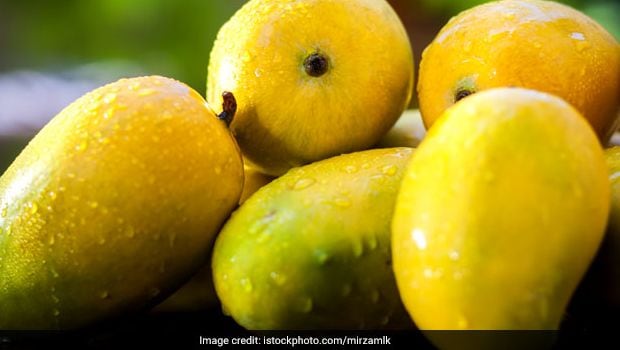 Native to India, mangoes were first
cultivated in the Northeast India, Bangladesh and Myanmar about 25-30
million years ago. Also called the king of fruits, mangoes have enjoyed
their own prized place in the history of India and its relationship with
the world. It is one of the very few fruits that has found a coveted
place in Hindu religious scriptures. Food Historian KT Achaya in his
book, 'A Historical Dictionary of Indian Food' writes, "From it's very
first mention as 'amra' in the Brahadarnayaka Upanishad (c.1000
BC) and in the slightly later Shatapatha Brahmana, the virtues of mango
fruit have been extolled for three thousand years." It is said that
mangoes were also very dear to Lord Buddha. He used to meditate in the
tranquillity of lush mango groves. Of the most popular legends and yore,
the Mughal fixation with mangoes wins hands down. Mangoes were used as
tenderisers in the making of the delectable Mughlai kebabs.
Mango grafting too was issued only by royal patronage until Emperor
Shah Jahan lifted limitations, KT Achaya writes in his book 'A
Historical Dictionary of Indian Food'. During the 16th century, the
sea-faring Portuguese were so lured with the mangoes in Kerala, that
they also took the fruit and its seeds and introduced it to Africa.
Native to India, mangoes were first
cultivated in the Northeast India, Bangladesh and Myanmar about 25-30
million years ago. Also called the king of fruits, mangoes have enjoyed
their own prized place in the history of India and its relationship with
the world. It is one of the very few fruits that has found a coveted
place in Hindu religious scriptures. Food Historian KT Achaya in his
book, 'A Historical Dictionary of Indian Food' writes, "From it's very
first mention as 'amra' in the Brahadarnayaka Upanishad (c.1000
BC) and in the slightly later Shatapatha Brahmana, the virtues of mango
fruit have been extolled for three thousand years." It is said that
mangoes were also very dear to Lord Buddha. He used to meditate in the
tranquillity of lush mango groves. Of the most popular legends and yore,
the Mughal fixation with mangoes wins hands down. Mangoes were used as
tenderisers in the making of the delectable Mughlai kebabs.
Mango grafting too was issued only by royal patronage until Emperor
Shah Jahan lifted limitations, KT Achaya writes in his book 'A
Historical Dictionary of Indian Food'. During the 16th century, the
sea-faring Portuguese were so lured with the mangoes in Kerala, that
they also took the fruit and its seeds and introduced it to Africa.With a history as delicious, mangoes make for one of the most popular fruits across the world. In addition to being sumptuous, pulpy and amazing, mangoes pack a host of health benefits too! (As if we needed any more reason to gorge on to this amazing fruit)
Here are some benefits of mangoes you may not have known.
1. Helps in digestionMangoes could help facilitate healthy digestion. According to the book, 'Healing Foods' by DK Publishing, mangoes contain enzymes that aid the breakdown and digestion of protein, and also fibre, which keeps the digestive tract working efficiently. Dietary fibre helps lowering risk of heart disease, type 2 diabetes. Green mangoes have more pectin fibre than ripe mangoes.
(Also Read: 6 Fruits That Help Better Digestion)

Mangoes contain enzymes that aid the breakdown and digestion of protein, and also fibre
According to the book 'Healing Foods', mango flesh contains prebiotic dietary fibre, which helps feed good bacteria in the gut. Healthy gut is detrimental for a healthy state. Leaky gut, apart from poor digestion results in skin conditions like IBS, asthma, slow metabolism and other health issues.
(Also Read: Kanji: The Miracle Winter Drink You Should Have for a Healthy Gut)

Mango flesh contains prebiotic dietary fibre, which helps feed good bacteria
You would be surprised to know that an average sized mango contains upto two-third of the daily recommended intake of vitamin C. The powerful antioxidant helps boost immunity system and prevents cold/flu.
(Also Read: Aam Panna: What Makes The Pulpy Drink The Ultimate Summer Thirst Quencher)
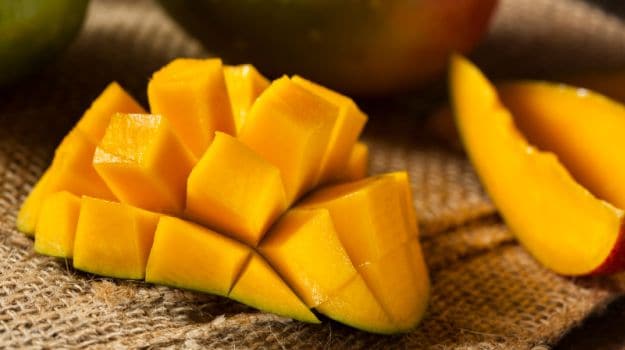
Mango contains upto two-third of the daily recommended intake of vitamin C.
Including mangoes in the diet may also help promote your eye health. Mangoes are rich in beta-carotene that helps in the production of Vitamin A. The powerful antioxidant helps improve vision, boosts overall eye health and even prevents age-related macular degeneration or loss of vision.

Mangoes are rich in beta-carotene that helps promote eye health
Eating mangoes could help regulate your cholesterol levels too. The high levels of fibre pectin may help bring down the low-density lipoprotein (LDL or bad cholesterol) which causes plaques in the vessels and blocks blood flow.
(Also Read: 5 Fruits You Should Include In Your Cholesterol Diet)

The high levels of fibre pectin may help bring down the low-density lipoprotein (LDL)
Mangoes are filled with skin-friendly vitamin C and Vitamin A, both of which are crucial for healthy skin and skin repair. Mangoes, eaten in moderation are also known to exfoliate and eliminate dead pores. According to Macrobiotic nutritionist and Health Practitioner Shilpa Arora ND, "Mangoes are loaded with skin healing nutrients; for example, fibre in mangoes cleanses your gut that is overloaded with toxic substances."

Mangoes are filled with skin-friendly vitamin C and Vitamin A
Yes it is sweet, and should be eaten sparingly, but that doesn't make mangoes a strict no-no for diabetics. The glycemic index of mangoes ranges between 41 to 60, with an average of 51. The value of 51 is on the lower end of the glycemic index scale. Foods that are less than 55 are consider to be low glycemic food, which is safe for diabetics to consume. Foods with low glycemic index, makes sure the release of sugar in the blood is slow, and there is no sudden spike in the blood glucose levels. Besides that, mangoes are also rich in dietary fibres, which again helps regulate the blood sugar levels.

The glycemic index of mangoes ranges between 41 to 60, with an average of 51.
Mangoes when eaten in moderation could also help in weight loss. The phytochemicals in the mango skin act as natural fat busters. The mango flesh is filled with dietary fibres. Fibres induce a feeling of satiety. On eating high-fibre fruits or veggies you feel full for a longer time, which prevents you from tucking in other high fattening snacks.

Mango promotes quick weight loss
Comments
Post a Comment